What Makes a Hotel Truly Sustainable?
Insights from Ownia Collection
In the era of conscious travel, more and more travelers are seeking accommodations that align with their values — hotels that not only offer luxury but also operate responsibly towards the planet and its people. But how do you know if a hotel is genuinely sustainable or merely using greenwashing tactics to appear eco-friendly? At Ownia Collection, we’ve made it our mission to curate a selection of eco-luxury hotels that embody true sustainability — hotels that make a measurable, positive impact on the environment and local communities.
So, what makes a hotel truly sustainable? Our approach is rooted in three key frameworks: our 12 Impact Pillars, the Global Sustainable Tourism Council (GSTC) criteria, and the United Nations Sustainable Development Goals (SDGs). Here’s how we determine if a hotel qualifies as genuinely sustainable.
The 12 Impact Pillars: Our Blueprint for Sustainability
At Ownia Collection, we’ve established 12 Impact Pillars that serve as a guideline for assessing whether a hotel is truly sustainable. These pillars encompass a hotel’s environmental, social, and cultural impact, ensuring that the property not only minimizes harm but actively creates a positive contribution to its surroundings.
Here’s a closer look at our 12 Impact Pillars:
- Water Management: Is the hotel actively reducing water consumption, implementing water recycling systems, and avoiding unnecessary water waste? Sustainable hotels often have water filtration systems, low-flow fixtures, and rainwater harvesting techniques.
- Waste Management: How Does the Hotel Handle Waste? Are they minimizing single-use plastics, composting food waste, recycling, or aiming for a zero-waste policy?
- Wellness: Beyond offering a spa, is the hotel genuinely promoting physical, mental, and emotional well-being for both guests and staff? Wellness also extends to promoting work-life balance and mental health within the hotel’s workforce.
- Food: Is the hotel sourcing food locally, offering organic produce, reducing food waste, and working with local farmers or fishers? Sustainable dining plays a huge role in minimizing the carbon footprint of hospitality.
- Justice & Legislation: Does the hotel follow labor laws, pay fair wages, offer employee benefits, and provide a safe and equal working environment for all employees?
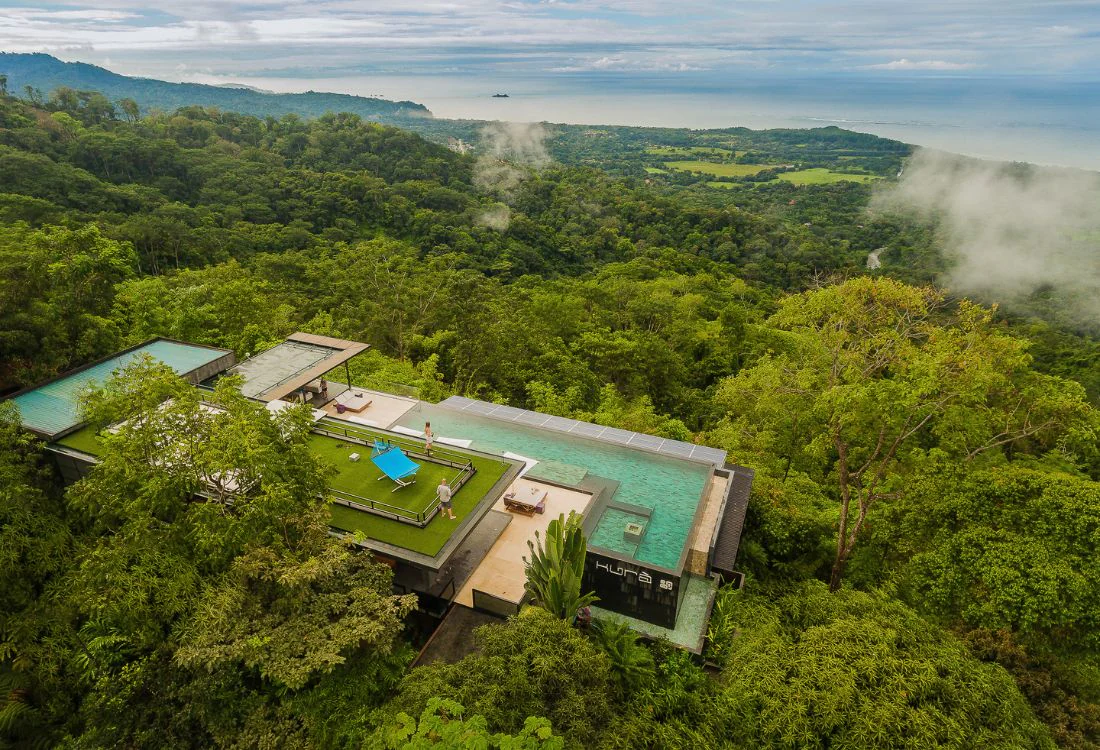
- Design: Sustainable hotels are often designed to minimize environmental impact. This includes using local materials, sustainable construction practices, and incorporating biophilic design (architecture that connects guests to nature).
- Heritage: Does the hotel honor and preserve local culture, traditions, and history? Supporting local artisans, showcasing regional art, and promoting traditional practices contribute to cultural sustainability.
- Education: Is the hotel actively educating guests and staff about sustainability? This could include guided nature tours, eco-workshops, or training sessions for employees.
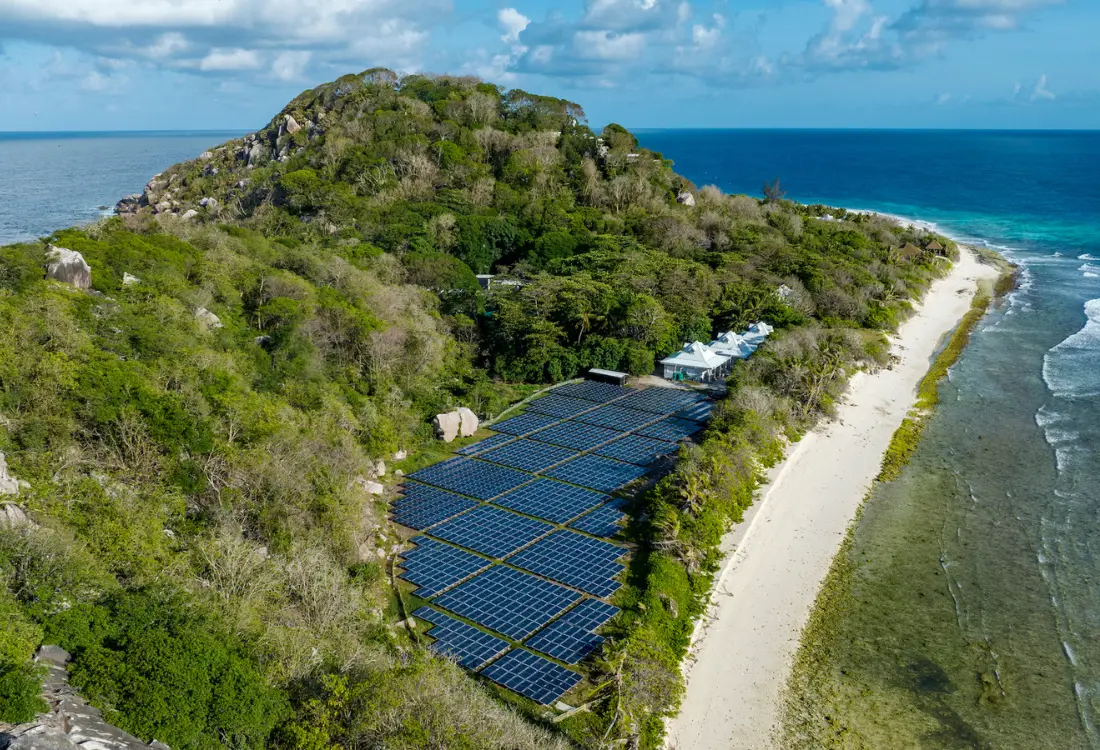
- Energy: Is the hotel reducing energy consumption through renewable energy sources like solar or geothermal power? Are they reducing their carbon footprint through energy-efficient practices?
- Community Regeneration: Does the hotel invest in local communities through employment, infrastructure development, or supporting local businesses?
- Equality: Is the hotel fostering a diverse, inclusive, and safe environment for all? This extends to both employees and guests.
- Environmental Protection: Is the hotel protecting local wildlife, natural resources, and ecosystems? Whether it’s marine conservation, forest preservation, or protecting endangered species, this pillar focuses on minimizing environmental impact.
Aligning with the GSTC Criteria
The Global Sustainable Tourism Council (GSTC) has established globally recognized standards for sustainable tourism, which many of our hotels adhere to. The GSTC framework is built around four key areas:
- Sustainable Management: The hotel must have a clear sustainability management plan, ensuring that environmental, social, cultural, and economic practices are embedded in its daily operations.
- Socioeconomic Impact: The hotel must generate positive benefits for local communities through employment, cultural preservation, and local sourcing.
- Cultural Heritage: Respecting and preserving cultural heritage, local customs, and historical sites is essential.
- Environmental Impact: Hotels must minimize their carbon footprint, reduce waste, conserve water, and protect biodiversity.

Supporting the United Nations Sustainable Development Goals (SDGs)
The United Nations Sustainable Development Goals (SDGs) were established in 2015 as a universal call to action to end poverty, protect the planet, and ensure prosperity for all. As part of our commitment to sustainable tourism, Ownia Collection ensures that the hotels we feature contribute to several key SDGs, including:

- Goal 6: Clean Water and Sanitation – Hotels must implement water conservation practices and ensure local communities have access to clean water.
- Goal 8: Decent Work and Economic Growth – Hotels must provide fair wages, safe working conditions, and equal opportunities.
- Goal 12: Responsible Consumption and Production – Hotels should reduce waste, source sustainably, and prioritize renewable resources.
- Goal 14: Life Below Water – Hotels near coastlines or marine ecosystems must actively protect marine life and prevent pollution.
- Goal 15: Life on Land – Hotels located near natural reserves must protect biodiversity and minimize deforestation.
Beyond Greenwashing: Real Impact
Explore our collection of sustainable hotels → https://owniacollection.com/