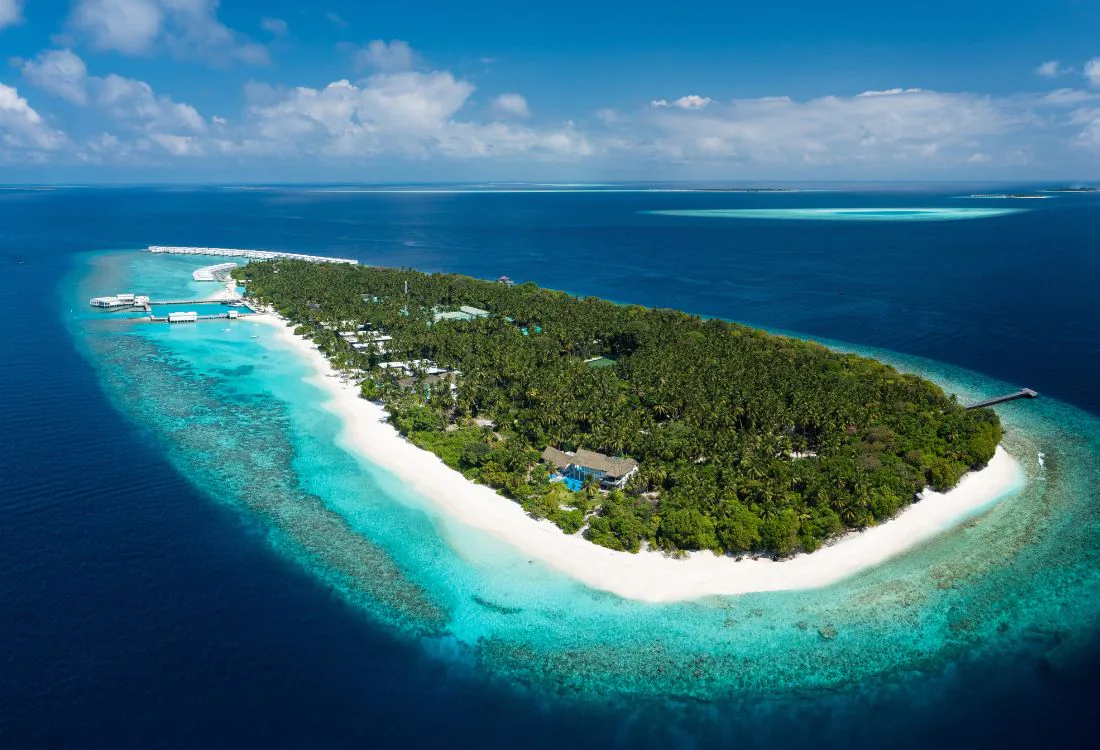
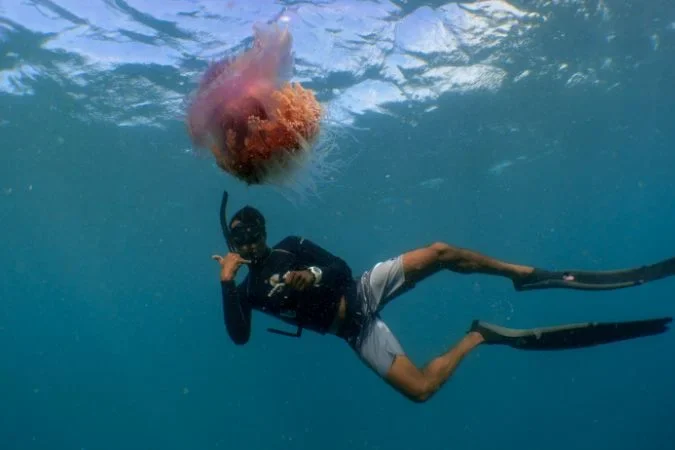
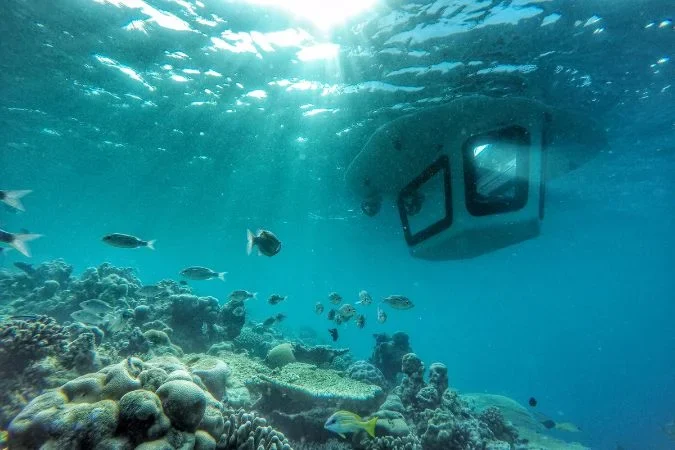
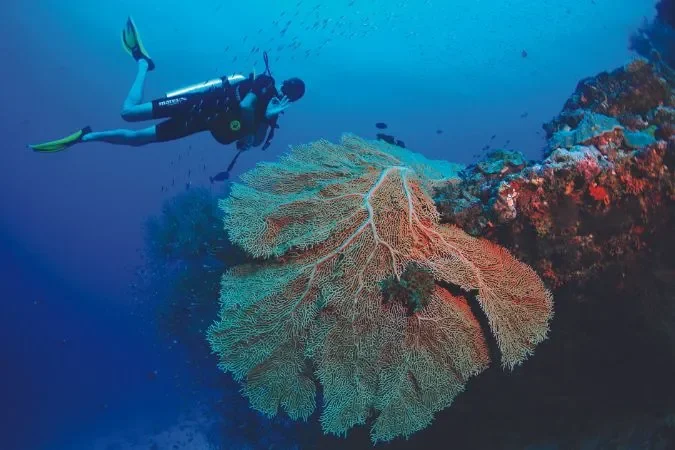
Amilla has an onsite Marine Biologist who monitors their reef for any damage, she is also involved in coral regeneration. They have turtles and endangered birds that nest on the island and protect and monitor these nests. The resort avoids the use of single-use plastics and ensures that all detergents and amenities products are of eco-friendly sources.
The resort employs many staff from the local community and they are working to employ more Maldivian female staff. The owners of the resort are Maldivian and run a vocational training center called TVEC which the resort also supports through on-the-job training.
Amilla sources their Maldivian fish and seafood from a small local fisherman and sources as much produce as possible from the local suppliers. They have extensive produce gardens in the resort growing their own herbs, fruit, vegetable, mushrooms, and some eggs from these.
The resort measures energy usage on an hourly and daily basis. Any fluctuations are addressed. They do daily light and air-conditioning checks to ensure that these are not left on. Also, they have replaced many lights with low-energy LED and are installing solar outdoor lighting to replace electricity. Resort chillers are monitored and consolidated and shut down where possible.
Waste water is treated and used on their gardens and they collect rainwater for their vegetable gardens. The Reverse Osmosis plant collects water from deep underground which uses less power to produce usable water. They bottle still and sparkling water in their own production facility. Water production and usage are measured and monitored daily.
Amilla has a waste processing facility, this facility allows to sort, recycle and reuse waste items including using crushed glass for building projects and recycled paper making. They compost food waste for use in their gardens. The first priority is waste reduction, and this is done through careful purchasing and also by making and growing many of the items used on the resort.