All you need to know about sustainable tourism

What is sustainable tourism, and why is it important?

Above all, we want you to know that whatever action we take today will have a positive impact on 5, 10, 100 years.

In light of present events, if there ever was a moment when it was essential to plan, and think about sustainable tourism it is now. It’s not the time to travel but its also not the time to stop dreaming. As a company focused on sustainable tourism, we know a bit about looking ahead.

On account of this, among other reasons, we were pushed into sustainable tourism. Above all, we want you to know that whatever action we take today will have a positive impact on 5, 10, 100 years. As Luis Cabrini, Chair of Board of Directors Randy Udband says, “Sustainability means to continue to function and thrive in perpetuity, through all types of conditions.”

Arenas_del_Mar_beachfront_hotel_costa_rica

Tourism and the environment

As a company specialized in sustainable tourism we’ve discovered that travel has many faces, people travel for business, pleasure, food, discovery, culture, transformation, among many other things. Significantly, during the past couple of decades, more people have begun to travel. As an illustration, tourist activity represents the third largest international trade sector, with 10.4% of the world’s GDP and responsible for 313 million jobs worldwide (World Tourism Organization). Thereupon, the Responsible Tourism Institute notices that tourism “has the potential to affect the environment in which it is developed, positively or negatively, and especially the socio-cultural dimension of tourist destinations.”
gorilla_trek_kenya
overtourism

Overtourism

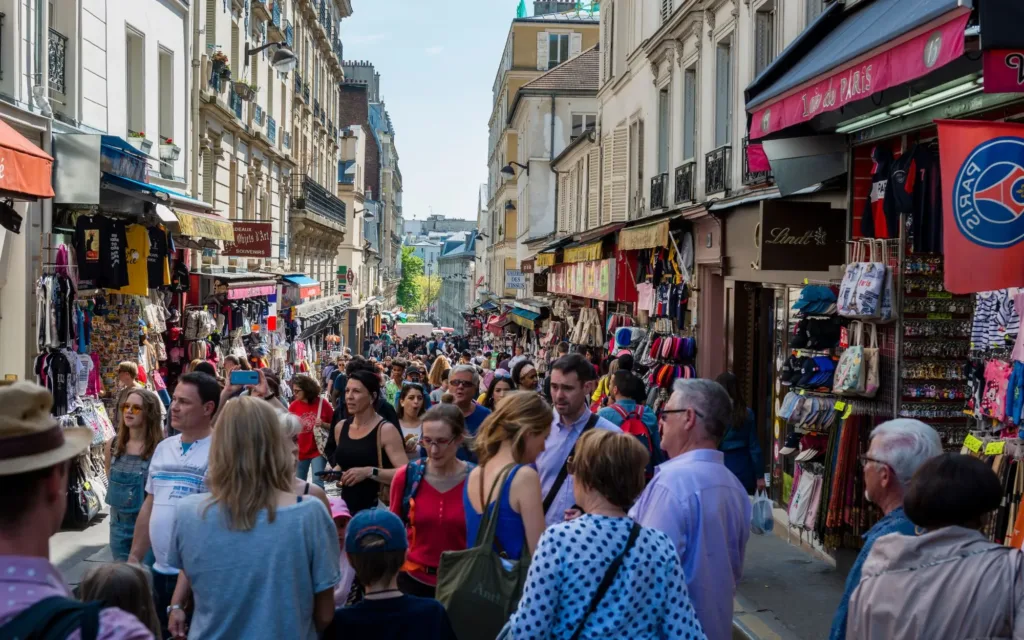
What this implies is that where and how we travel touches something more than our well being and Instagram feed. As a consequence, the Oxford Dictionary considered adding the word “Overtourism” to its list. In short, it refers to “an excessive number of tourist visits to a popular destination or attraction, resulting in damage to the local environment and historical sites and poorer quality of life for residents.” So, sustainable tourism starts to show itself as a possible path of action.

Therefore, white-sandy beaches, food served by locals, uncrowded locations, sounds like something we could all get on board. Moreover, if it’s eco-friendly. BUT, did you know that a destination can be eco-friendly without being sustainable? While it is important to realize that being environmentally-conscious is key, this is not what being sustainable travel stands for.

Is Sustainable Tourism the answer?

According to the United Nations World Tourism Organisation, sustainable tourism can be defined as: “Tourism that takes full account of its current and future economic, social and environmental impacts, addressing the needs of visitors, the industry, the environment, and host communities” (UNWTO, 2005) Can tourism maintain its dynamic growth rate without damaging or destroying the natural and built environments, if future generations are to enjoy the same benefits of travel and tourism as today’s do? In other words, sustainable tourism involves managing resources sustainably not only for today’s travelers or tomorrow’s but for the future of each of our planet’s stakeholders. Hence, sustainability presents itself as an answer to the question posed.

How are hotels and resorts building better sustainable practices?

Sustainable tourism involves not one, but three pillars: environmental, economic, and social impacts. In particular, the Responsible Tourism Institute and the World Tourism Organization recommend the following actions:

Environmental Actions

  • Make optimal use of environmental resources that constitute a crucial element in tourism development, maintaining essential ecological processes, and helping to conserve natural heritage and biodiversity.
  • Regular enhancement of nature and keeping the beaches clean.
  • Ban single-use plastic.
  • Implement the three R’s: Reduce, Reuse, and Recycle.
  • Employ alternative energy methods.
6_features_of_sustainable_hotels
Anse_Chastanet_vegetable_garden

Economic Actions

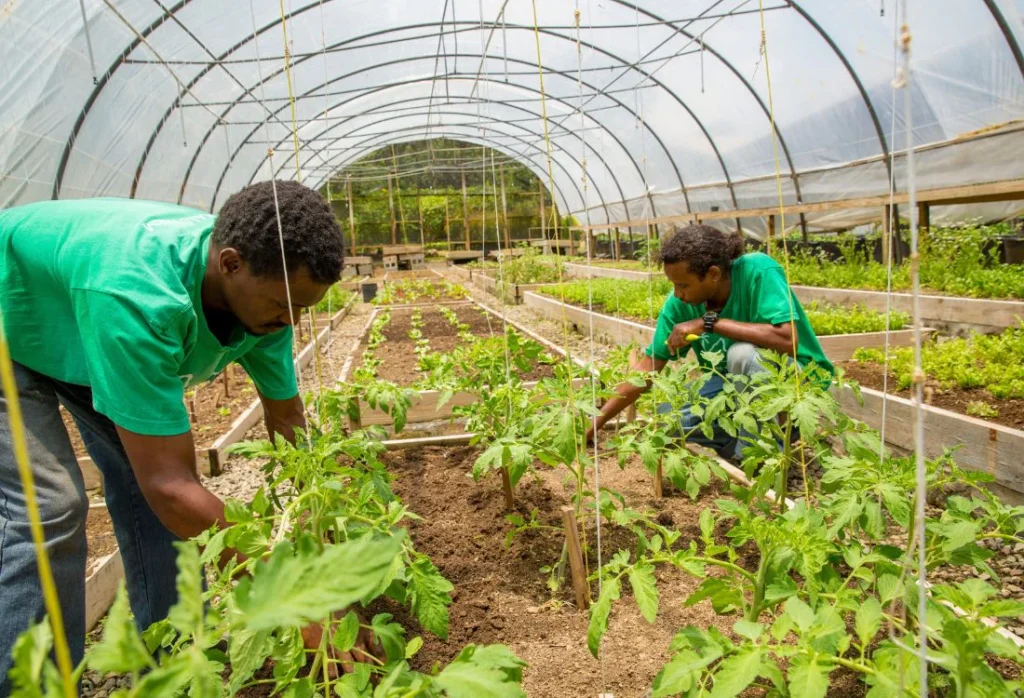
  • Develop projects or activities that involve the local population of the destination.
  • Contract local suppliers.
  • Share with your guests how their visit can have a positive effect on the host community.
  • Raise new social objectives in your company: How can you contribute to the long-term development of the community?

Social Impacts

  • Promote cultural exchange and preserve local traditions and support local art by including it in your hotel’s decor or internal gallery shop.
  • Support the integrity of local cultures by favoring businesses that conserve cultural heritage and traditional values.
  • Contribute to intercultural understanding and tolerance of the host community.
sustainable_travel

Sustainability is a quest that involves us all. It is important to communicate the importance of it and implement it in all businesses. Nowadays, it gives an important value to companies. At Ownia Collection, we believe that this is the only path there is to create the future we all want for the generations to come.


Related Posts