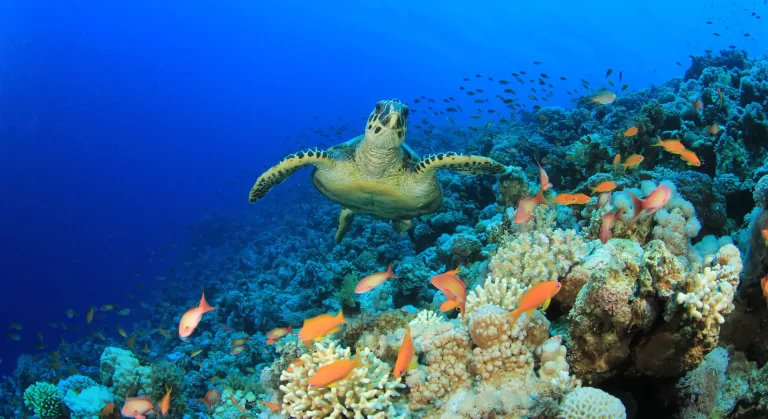
Travel matters. It helps us relax, discover new things about the world and ourselves, grow, and connect. Likewise, it is an important element of the global economy. Due to the current situation, what we have in our hands is the opportunity to reflect on the relationship between climate change, tourism, and our actions.
Tourism has become an integral part of our modern lifestyle, offering an opportunity to explore new destinations, experience different cultures, and create lasting memories. However, the growth of tourism also brings with it environmental challenges, particularly in relation to climate change. The paradoxical relationship between tourism and climate change is a pressing issue that requires attention and action. In this blog, we will explore the impact of tourism on climate change, highlight sustainable travel practices, and discuss the importance of responsible tourism in preserving our planet for future generations.



Sustainable travel promotes responsible tourism that minimizes negative environmental impacts and fosters cultural preservation and economic growth. Here are some key sustainable travel practices to consider: