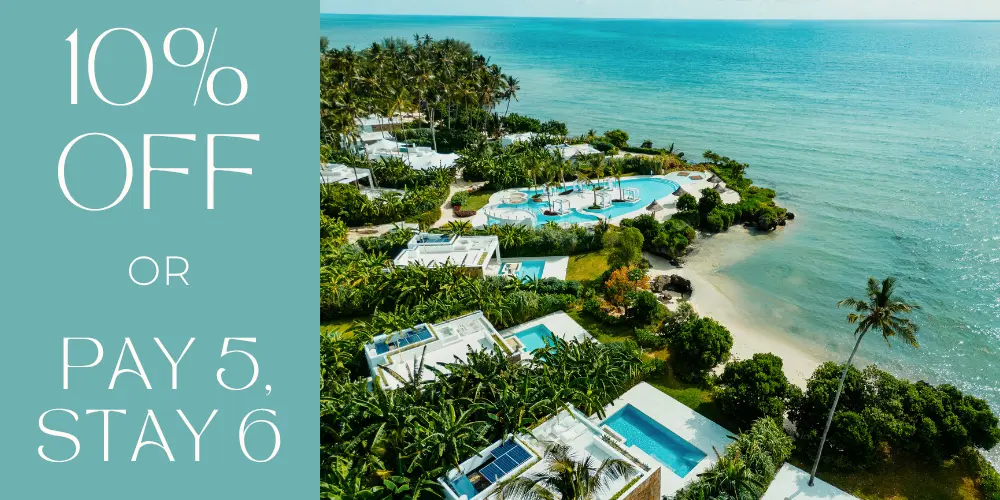
The Best Marketing Strategies for Hotels and Resorts
Unveiling Success
In the highly competitive world of the hotel and resort industry, the art of effective marketing can make or break a business. It’s not just about offering guests a comfortable stay; it’s also about making sure they know about it. In this blog, we’ll explore the best marketing strategies for hotels and resorts, revealing the key practices that can lead to triumph in this dynamic field.

The Hospitality Landscape
Before delving into specific strategies, let’s consider the unique nature of the hospitality industry. Hotels and resorts are often deeply rooted in their locations, each offering a distinct experience. Whether it’s a beachside resort, a historic boutique hotel, or a city-center business hotel, the common denominator is providing memorable stays.
However, the rise of online travel agencies (OTAs), Airbnb, and a global marketplace has made it essential for hotels and resorts to not only provide exceptional service but also market themselves effectively. Here are the best practices and keys to success for marketing in the hotel industry:
1. Building an Engaging Website
Your website is your digital storefront, and it’s often the first point of contact for potential guests. A well-designed and user-friendly website should showcase your property’s unique selling points, have high-quality images, easy navigation, and a responsive design. Ensure it’s optimized for search engines (SEO) to make it easier for potential guests to find your site.
Build and maintain an email list of past and potential guests. Use email marketing to keep them informed about special offers, events, and other news related to your hotel. Personalization and segmentation are key to making your emails effective.

3. Leverage the Power of Social Media
In the age of Instagram and Facebook, a strong social media presence is a must. Use these platforms to share high-quality images of your property, engage with guests, and run targeted ad campaigns. Consider user-generated content as well – happy guests’ photos can be a powerful marketing tool.
4. Online Travel Agencies (OTAs) and Metasearch Engines
Collaborate with OTAs such as Ownia Collection. While they charge commissions, they can significantly increase your property’s visibility. Additionally, consider investing in metasearch advertising to appear prominently in search results.
5. Content Marketing
Create engaging and informative content that highlights your destination and what makes your property special. Blog posts, videos, and guides about local attractions can not only attract potential guests but also help with SEO.

SEO plays a critical role in ensuring your website ranks high in search engine results. Optimize your website for relevant keywords, ensure fast loading times, and use schema markup to make your information more accessible to search engines.
7. Pay-Per-Click (PPC) Advertising
PPC advertising on platforms like Google Ads can help drive targeted traffic to your website. It’s particularly effective for promoting special offers or events.
8. Local SEO
Don’t forget about optimizing for local searches. Many travelers are looking for accommodations in a specific city or neighborhood. Claim and optimize your Google My Business listing and encourage positive reviews.
9. Loyalty Programs
A well-structured loyalty program can go a long way in retaining guests. Offer rewards, discounts, or special privileges for repeat customers. Remember, it’s easier and more cost-effective to keep existing customers than to acquire new ones.
10. Public Relations and Influencer Collaborations
Partner with travel influencers or local media to create buzz about your property. A positive mention or review from a respected source can do wonders for your reputation.
Utilize remarketing strategies to re-engage users who have visited your website but haven’t made a reservation. Displaying targeted ads to these users can lead to a higher conversion rate.
12. Mobile Optimization
With the increasing use of mobile devices for travel bookings, your website and booking process must be mobile-friendly. A smooth mobile experience is crucial for securing reservations.

13. Reviews and Reputation Management
Guests often rely on reviews to make booking decisions. Encourage happy guests to leave positive reviews, and be responsive to negative feedback. An effective reputation management strategy can boost your online image.
14. Unique Selling Proposition (USP)
Clearly define what sets your property apart. Whether it’s a spa, stunning views, eco-friendliness, or personalized service, your unique selling proposition should be front and center in your marketing efforts.
15. Multichannel Marketing
Diversify your marketing channels to reach a wider audience. Explore partnerships with other local businesses or collaborate with tourism boards to enhance your reach.

16. Data Analytic
Use data to understand your guests better. Analytics can help you identify trends, preferences, and areas for improvement. This information can be invaluable in fine-tuning your marketing strategies.
The modern traveler is increasingly concerned about the environmental impact of their choices. Highlighting your commitment to sustainability and eco-friendly practices can be a significant marketing advantage.
18. Adapt to Trends and Technology
Keep up with industry trends and evolving technologies. Virtual reality (VR) tours, for example, can offer a unique and immersive way for potential guests to explore your property.
19. Personalization
Tailor your marketing efforts to individual guests based on their past interactions and preferences. Personalized marketing can lead to higher engagement and conversion rates.
20. Feedback and Continuous Improvement
Lastly, regularly seek feedback from guests and staff. Use this feedback to make necessary improvements to your marketing and service delivery. Learning from both successes and mistakes is essential for long-term success.


Marketing Strategies that will take your hotel to another level
In the dynamic world of hotels and resorts, staying competitive and relevant requires an ongoing commitment to effective marketing strategies. By building a strong online presence, leveraging the power of social media, optimizing for search engines, and adapting to evolving trends, your property can thrive in this ever-evolving industry. Remember that each property is unique, so tailor your marketing strategy to your specific strengths and target audience. With the right approach, your hotel or resort can flourish and become a sought-after destination in today’s competitive market.
Related Posts