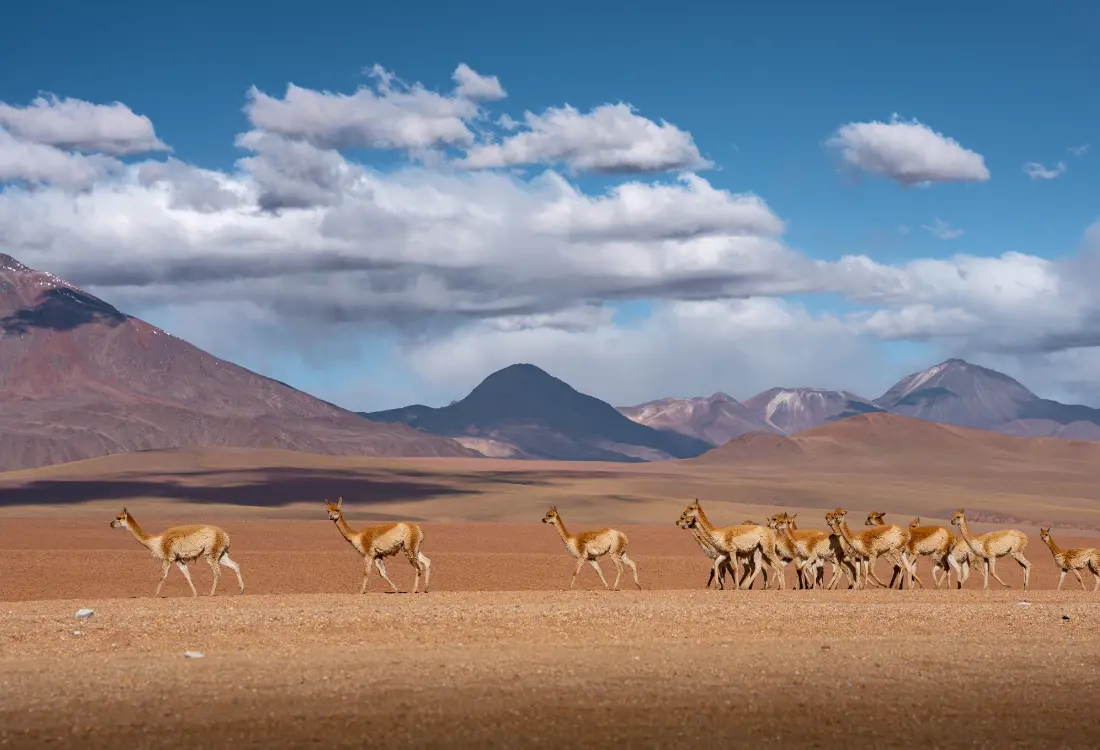
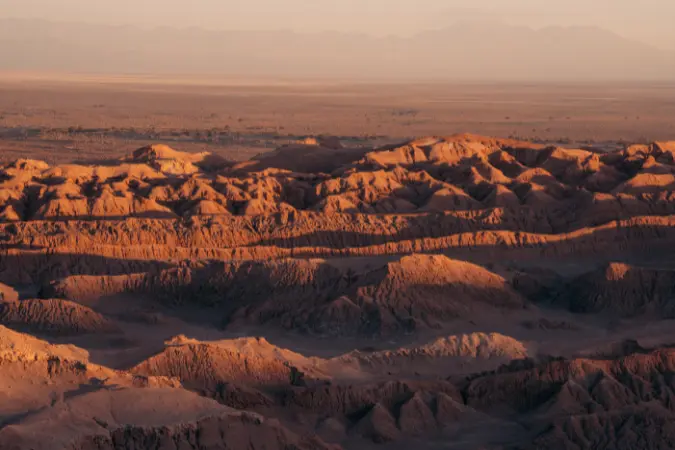
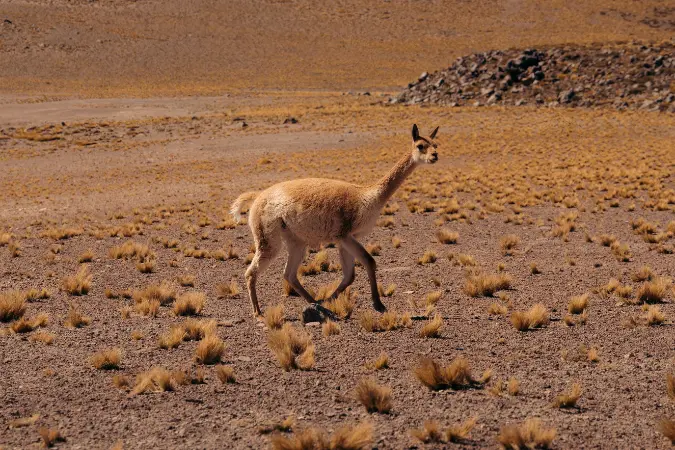
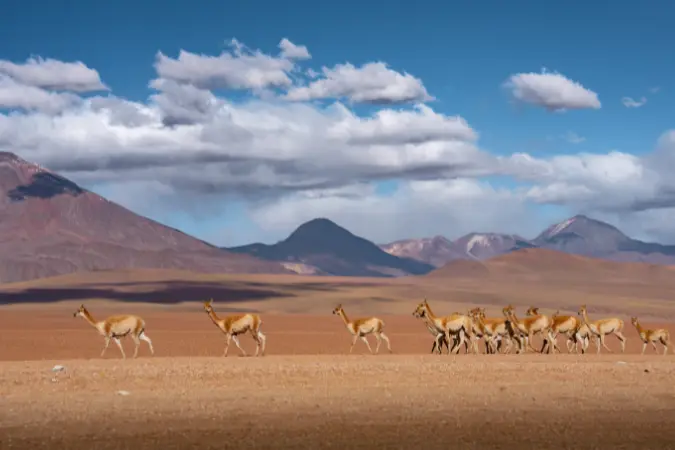
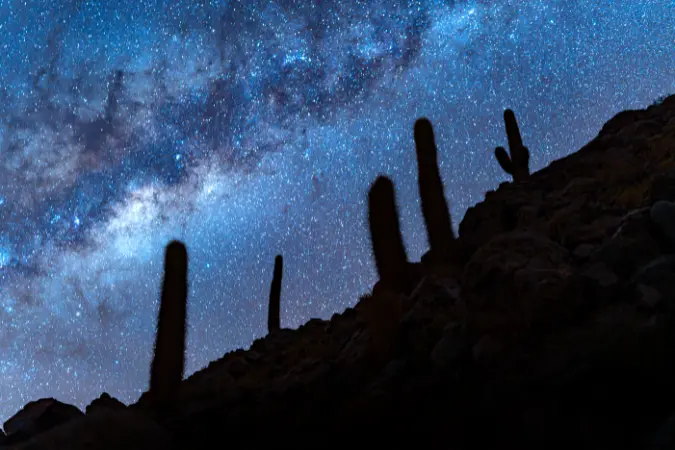
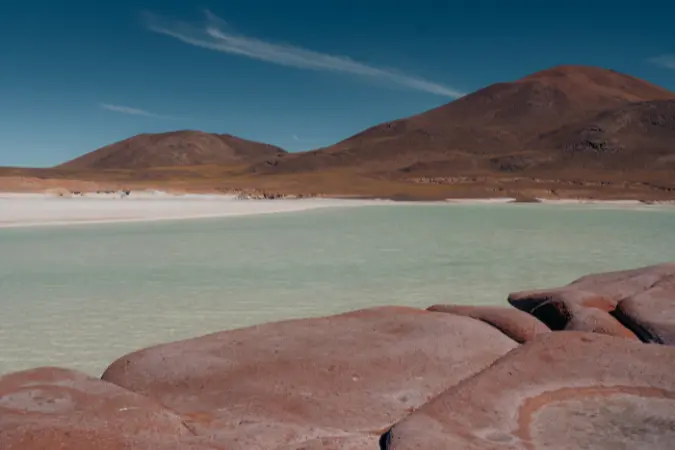
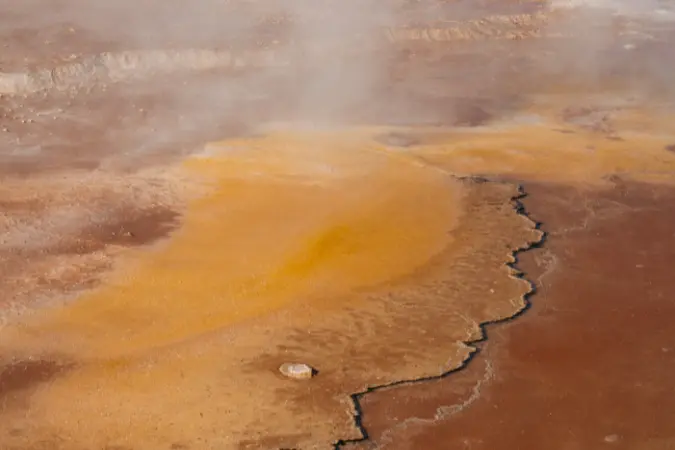
At Tierra Atacama, they know that their sustainability efforts must extend beyond the walls of their hotel and they must also take responsibility for their impact on the environment when we head out on excursions. They must try to maintain the ecological balance of the wonderful landscapes surrounding their hotels. The guides at this boutique lodge are trained in the program “Leave No Trace” to protect and take care of wilderness areas and minimize their impact on the places they visit.
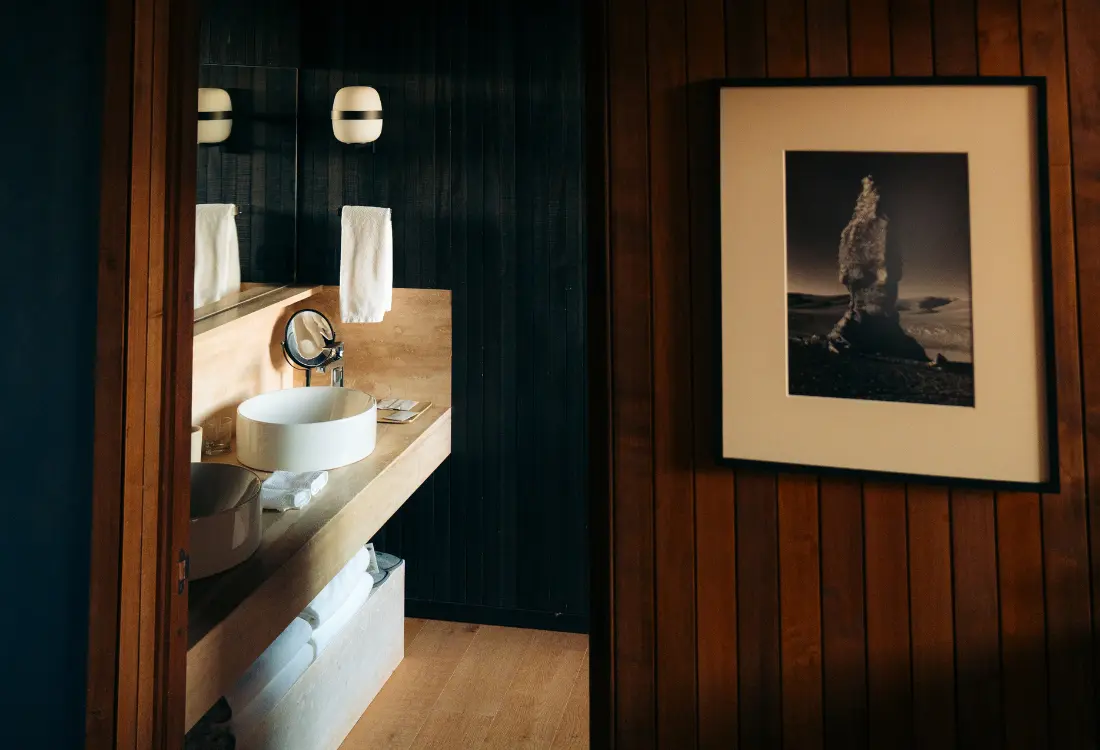
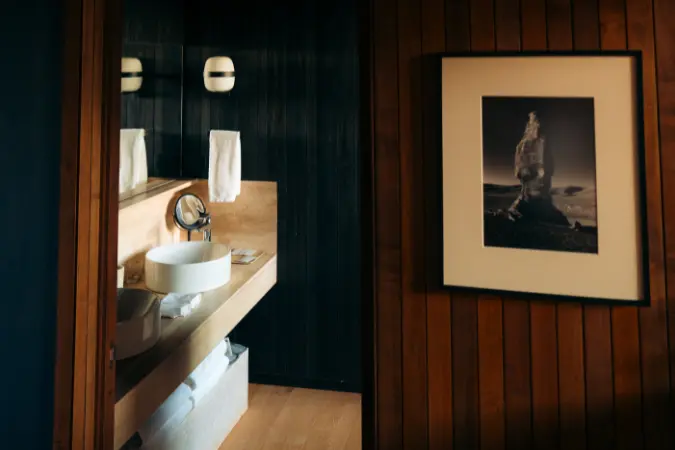
The prolific Atacama cultural heritage sculptor Alejandro Gonzalez has dedicated 60 years to pumice stone carving, an art he learned from watching other artisans from his community. In addition to being an artisan, he is also a musician, composer and an alférez de comparsa (traditional dance festival sponsor). He creates human and animal figures in addition to his signature to-scale copy of Toconao Tower. His work is featured as a main design element within Tierra Atacama. In 2011, Alejandro was recognized by UNESCO as a Human Living Treasure in appreciation of his work as a safekeeper of Atacama culture. Tierra Atacama supports the local community through a dual education system at Likan Antai, a technical school from which more than 40 young people have been hired as apprentices, who have been guided by experts in the areas of tourism, energy and agriculture. Graduates of this school have also been employed to continue to work and move forward in their careers.
Tierra Atacama built a “senses garden” on the way to the guestrooms with aromatic herbs such as mint, oregano, lavender and rosemary, which are used in their cuisine. Moreover, this hotel has its own greenhouse for growing calendula, lettuce and 100 Chilean trees that are being planted progressively. They also grow corn, wheat, asparagus and alfalfa, among other crops.
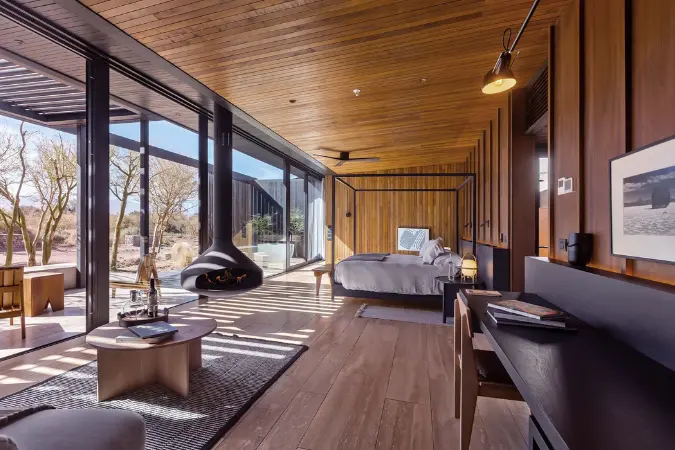
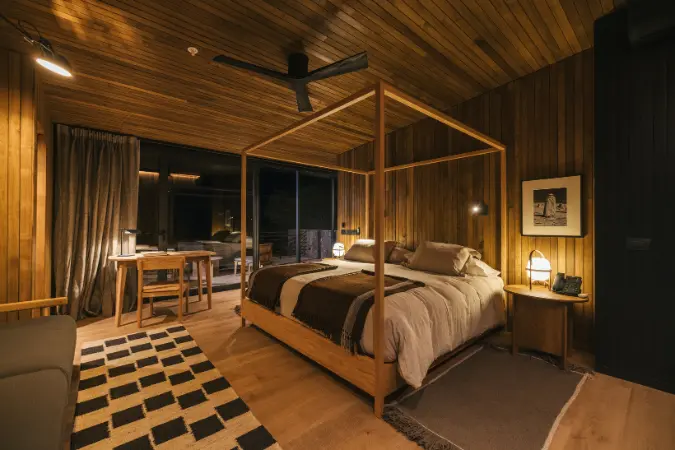
Tierra Atacama is located in the middle of the driest desert in the world. Days are clear and sunny 80% of the year, making the use of solar energy a highly efficient solution. Tierra Atacama was the first hotel in South America to produce its own solar power. The hotel has 588 solar panels and a battery bank that meet the hotel’s energy needs for approximately 12 hours a day. In the spa, they use solar radiation collection to heat the pool to 26°C. Additionally, Tierra Atacama utilizes low intensity lights and heating and air conditioning that are optimized by the use of ceiling fans in the guestrooms. This hotel features its own hybrid solar plant that has a 156 KWp capacity. The 588 photovoltaic panels, which cover 927 m2, also have five inverters that turn solar energy into electricity. The system has high-efficiency, lithium-ion batteries and an intelligent energy management system that provides an uninterrupted supply. This allows Tierra Atacama to reduce its carbon footprint, avoiding the emission of more than 240 tons of CO2 a year and the combustion of almost 100,000 liters of fossil fuels annually. This is the equivalent of the emissions of 51 vehicles over the course of a year.
100% of Tierra Atacama’s water is retrieved from their own well and is treated by an inverse osmosis plant. Thereby, they have 50 m3 available daily and do not affect the town of San Pedro de Atacama’s water supply. 100% of the guest rooms faucets have low aerators, which allow them to reduce their consumption of water. They also use cutting-edge technology to maintain their pool water. With filtration and cleaning techniques, they can prolong the use of 131 m3 of water before changing it. Their laundry room contains front-loading, industrial washing machines for 16 kg loads of laundry with a water consumption of 160 liters per cycle and a variety of wash-cycle options. Tierra Atacama also has an Ecosystem grey water treatment plant, which allows grey water to be reused for watering gardens without affecting the town’s sewer system. They use a drip irrigation system that optimizes the use of water.
Tierra Atacama recycles cardboard, aluminum cans, glass and plastics, which are retrieved by an industrial recycling company. This year they have added a compactor to make waste collection more efficient, reducing the number of retrievals and their carbon footprint. In addition to their waste management, they have also done a thorough job of coordinating their departments to reduce the production of garbage in the first place. The following elements have been eliminated or modified to reduce their consumption and carbon footprint: straws, rechargeable batteries, laundry bags, food wrappers, paper use, guest room keycards, and reusable amenities.