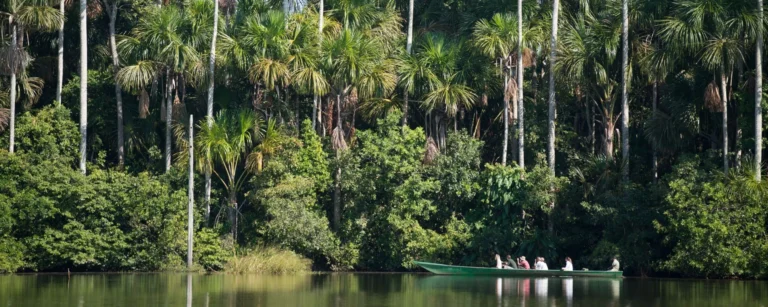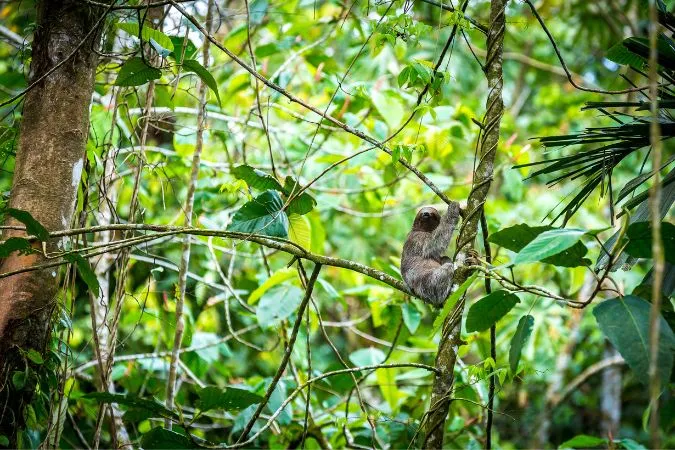
Ecotourism is a word that over the years has more impact and therefore more value. According to The International Ecotourism Society, Ecotourism is now defined as “responsible travel to natural areas that conserves the environment, sustains the well-being of the local people, and involves interpretation and education.” Education is meant to be inclusive of both staff and guests. Ecotourism is about uniting conservation, communities, and sustainable travel.
Costa Rica was one of the earliest adopters of connecting nature and wildlife conservation with responsible travel. Ecotourism in this country is one of the key activities of the tourism industry. It attracts many tourists to visit the extensive national parks and protected areas around the country.
Costa Rica has been ranked among the world’s best ecotourism destinations on more than one occasion, and became the first country in America to ban hunting in 2012. As a result, its biodiversity is very extensive. 26% of this country’s land covers national parks, wildlife reserves and protected lands.
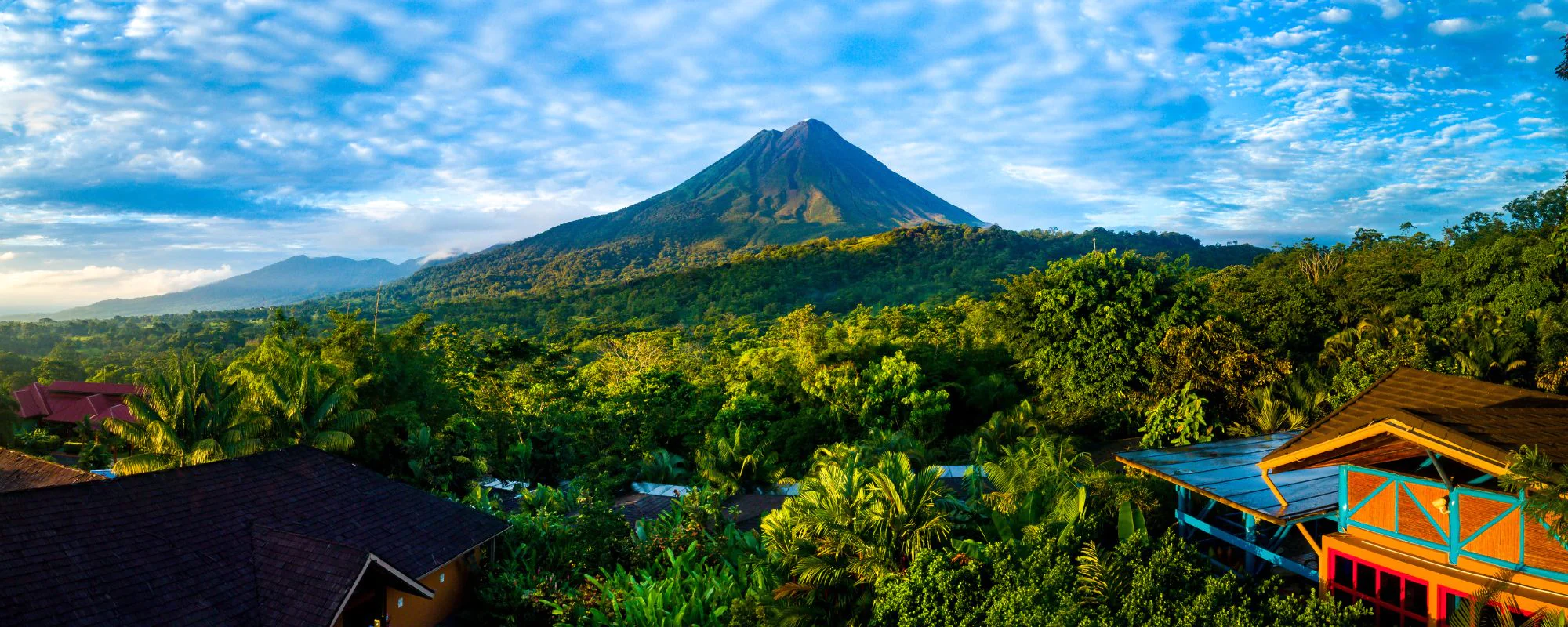
Costa Rica, known as the “green jewel of Central America,” is a haven for ecotourism enthusiasts. With its lush rainforests, diverse wildlife, and commitment to conservation, the country offers a unique experience for nature lovers. Travelers can explore the captivating Monteverde Cloud Forest, embark on thrilling wildlife safaris in Tortuguero National Park, or relax on pristine beaches like Manuel Antonio. Costa Rica’s eco-lodges and sustainable practices ensure minimal environmental impact, providing visitors with an opportunity to immerse themselves in the natural wonders while contributing to their preservation. It’s a paradise where adventure and environmental consciousness go hand in hand.
The rise of ecotourism in Costa Rica over the past decade has resulted in an extensive expansion in the job market. This has allowed local citizens to generate income and employment. The ecotourism industry has offered residents almost double the monthly income compared to other employment opportunities. Through successful ecotourism, Costa Rica has been able to prove that conservation and economic growth goes hand in hand.
Thanks to the beautiful national parks, wildlife reserves, and protected lands there is so much to see and do in Costa Rica. Find exotic birds as you hike through the rainforests, get fascinated by the amazing wildlife and marine species, relax at the beautiful beaches, or surround yourself with adventure.
Manuel Antonio National Park and Monteverde Cloud Forest Reserve are viewed as an example for ecotourism and sustainable development.
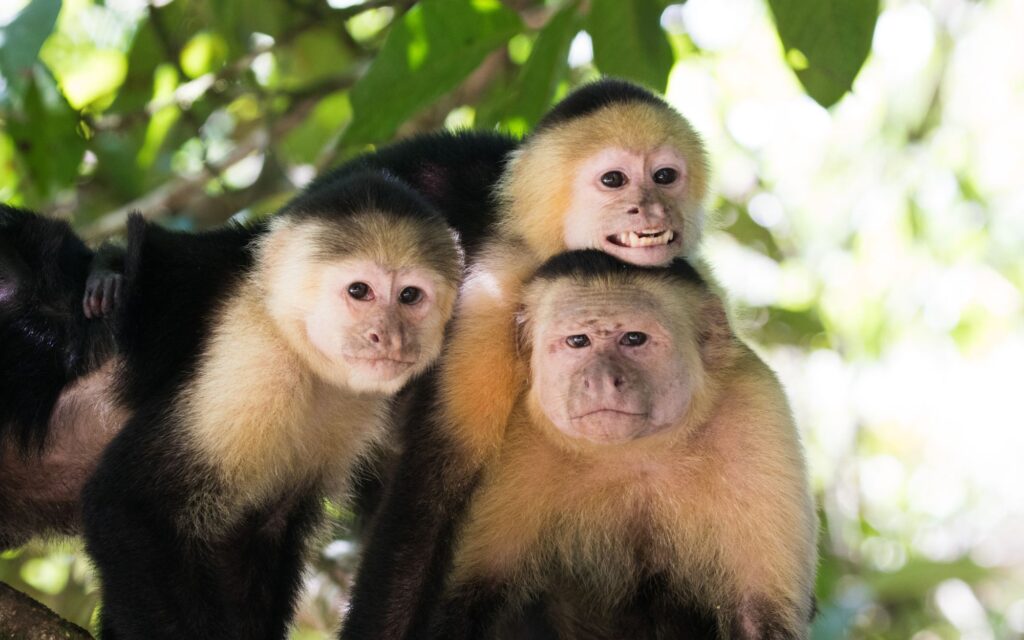
Ranked one of the world’s most beautiful national parks by Forbes, Manuel Antonio annually attracts around 150,000 visitors. The park has 184 bird species and 109 mammal species. The most frequently sighted are the Monkeys. This National Park has beautiful beaches, hiking trails through forests, mangrove swamps, and lagoons.
When it comes to ecotourism, Monteverde has the most incredible attractions. With six different ecological areas, the reserve boasts extraordinary biodiversity. There are around 100 mammal species, 120 reptilian and amphibian species, 400 bird species, and more than 2,500 plant species. It also has many hiking trails, suspension bridges, and ziplines.
Costa Rica boasts 26 National Parks, 58 wildlife refuges, 32 protected zones, 15 wetland areas, 11 forest reserves, and 8 biological reserves.Over 25% of the country’s 19,730 square miles is protected from future development.
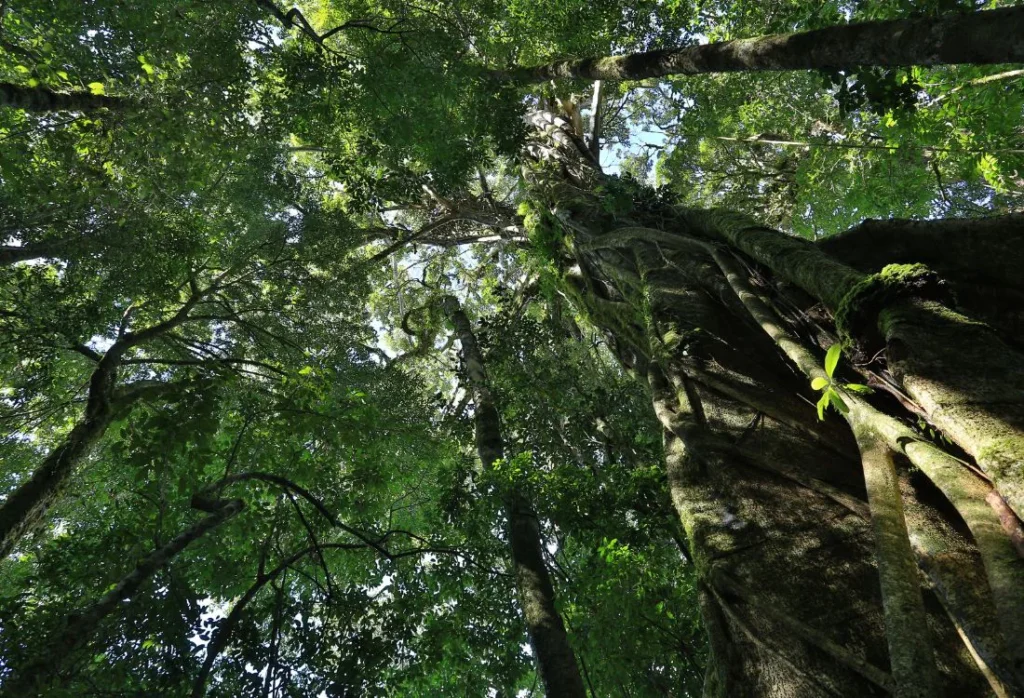
Ecotourism in Costa Rica encompasses a diverse array of ecosystems, from cloud forests and rainforests to wetlands and coastal marine areas.
Responsible tourism has allowed Costa Rica to respond effectively to the growing demands of the tourism industry and at the same time protect the cultural integrity of the local communities.